Route du Rhum 2026: Onboard Electronics—A Team Effort
Assist the skippers with their final preparations
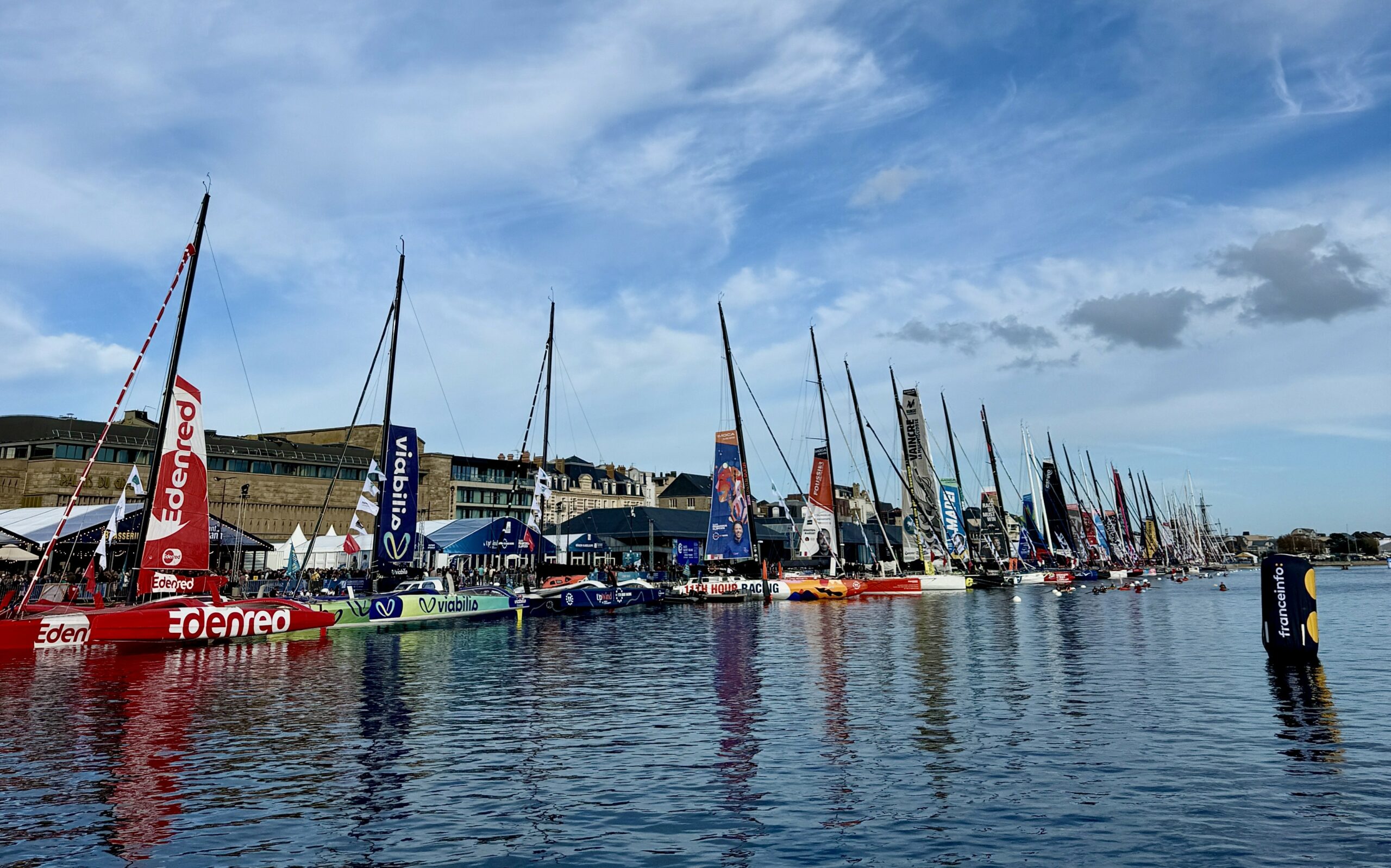
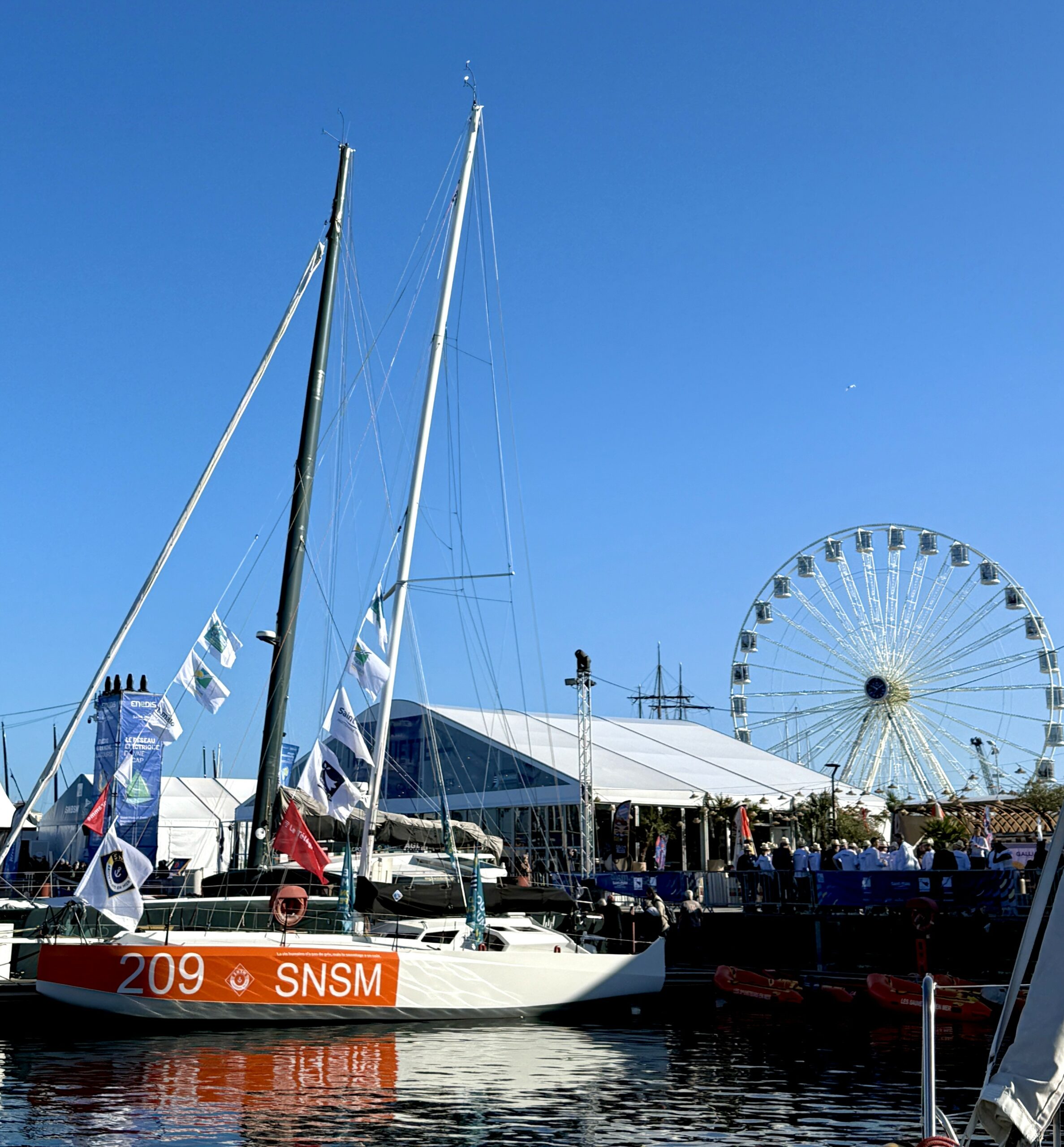
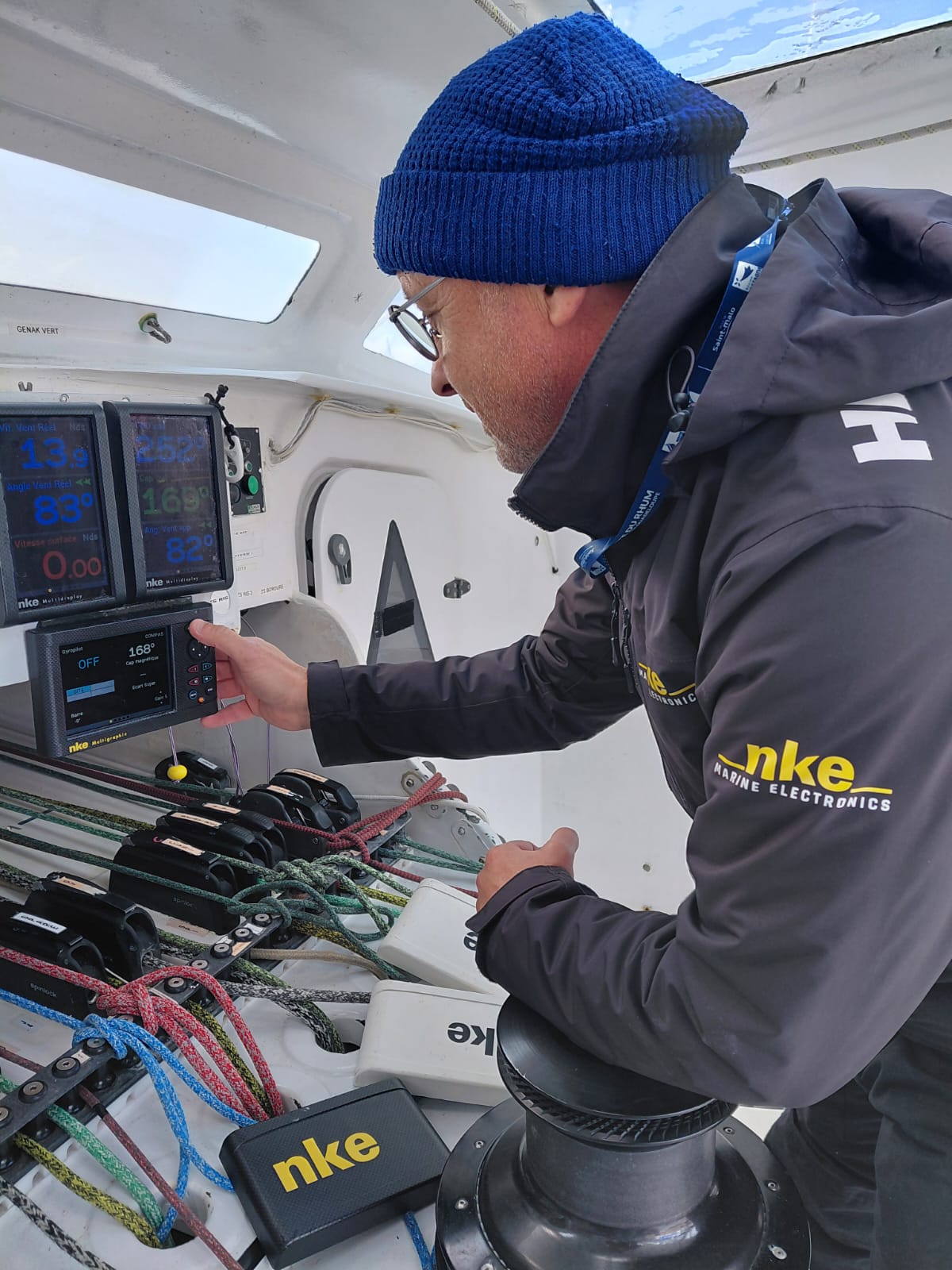
In the days leading up to the start, Xavier and Mathieu from our technical team were on site at the piers in Saint-Malo to answer the teams’ questions, perform final checks, and provide assistance with the electronic equipment.
This presence complements the work carried out by the skippers, preparers, and installers. On board a racing sailboat, the quality of the equipment goes hand in hand with its integration and configuration: sensor readings, displayed information, and autopilot settings must form a coherent whole, tailored to the boat.Cette présence complète le travail mené par les skippers, les préparateurs et les installateurs. À bord d’un voilier de course, la qualité des équipements va de pair avec leur intégration et leur configuration : les mesures des capteurs, les informations affichées et les réglages du pilote doivent former un ensemble cohérent, adapté au bateau.
Skippers and technical teams speak out
In Saint-Malo, we met with a number of skippers and technical crews who work daily to prepare the boats. We were able to speak with Sébastien Marsset, skipper of the IMOCA Foussier, and his boat preparer, Mathieu Ravier, as well as Grégoire Potot, boat captain of the Ocean Fifty Le Rire Médecin.
In our interview, they discuss their preparations, the specific requirements of their vessels, and the importance of reliable electronics in navigation. Their accounts highlight the work done ashore to ensure that the crew and skippers are familiar with our equipment and can set sail under the best possible conditions.
Installing instruments, verifying data, adjusting settings: this preparation requires a range of complementary skills. The onboard electronics thus come into their own through the people who put them into practice.
nke Carbowind Sensors and Autopilots
in the fleet
Xavier and Mathieu also took inventory of the equipment on board the boats. According to this inventory, which was conducted in Saint-Malo before departure:
-
About 75% of the boats surveyed are equipped with Carbowind wind sensors.
-
45 boats are equipped with an nke autopilot, which is used as the primary autopilot.
These data illustrate the role our solutions play in preparing the sailboats competing in this transatlantic race.
Measuring Wind with Carbowind Sensors
Mounted at the top of the mast, the Carbowind sensor measures wind speed and direction. This information helps the skipper analyze the boat’s course and adjust the sails. It also contributes to the autopilot’s operation in upwind sailing modes.
Sailing the boat on a set course or close-hauled
When sailing solo, theautopilot is your best crew member. It steers the boat according to the settings chosen by the skipper: a course or an angle relative to the wind, depending on the mode used. The accuracy of the data received and the autopilot’s settings contribute to the quality of the steering. That is why preparing the electronic system is just as important as the sailor’s understanding of its functions.
Thank you to Sébastien Marsset, Mathieu RAVIER, Grégoire POTOT, and all the members of the technical teams who shared their expertise with the nke Marine Electronics Team in Saint-Malo.
To set up your onboard electronics, check out our Carbowind wind sensors and our line of autopilots for racing and cruising sailboats.